
- Fashionwear
- Athleisure & Co-ord Sets
- Hoodies & Sweatshirts
- Functional Streetwear
- Heavy GSM Oversized Tees
- Father & Son Matching Sets
- Jackets & Outerwear
- Puff Print Hoodies
- Techwear / Tactical Apparel
- Premium Oversized Streetwear
- Joggers & Casual Pants
- Luxury Lounge Sets
- Streetwear & Casual Shorts
- T-Shirts & Polos
- Gymwear
- Sportswear
- Customwear
Hoodies: The Complete Guide to Styles, Fabrics, and Custom Hoodie Manufacturing

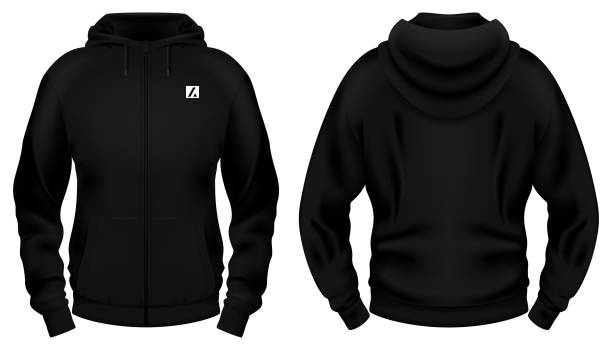
Introduction: Why Hoodies Remain a Global Fashion Essential
Hoodies have become one of the most popular and versatile garments in the global apparel industry. Originally designed to provide warmth and comfort, hoodies have evolved into essential pieces of casualwear, streetwear, sportswear, gymwear, and contemporary fashion. Today, they are worn by athletes, fitness enthusiasts, students, professionals, fashion lovers, and people of all ages around the world.
From classic pullover hoodies to modern oversized designs, premium heavyweight hoodies, and customized private-label collections, this garment offers endless opportunities for fashion brands, sports teams, gyms, clothing startups, and retailers.
As a manufacturer of premium sportswear, gymwear, fightwear, and fashionwear, Axaro International specializes in manufacturing customized apparel according to customer requirements. Based in Sialkot, Pakistan, we support brands looking for personalized hoodie manufacturing, custom branding, fabric selection, sampling, and bulk production.
Whether you are developing a new clothing brand, expanding an existing collection, or sourcing hoodies for your business, understanding hoodie styles, fabrics, GSM, construction, and customization options can help you make informed decisions.
In this comprehensive guide, we explore everything you need to know about hoodies and the process of developing a high-quality custom hoodie collection.
1. What Is a Hoodie?
A hoodie is a sweatshirt or similar garment featuring an attached hood. It may include a front kangaroo pocket, a full-length zipper, ribbed cuffs, and a ribbed hem, depending on its design.
Hoodies are valued for their comfort, versatility, warmth, and adaptability to different fashion styles. They can be manufactured using lightweight fabrics for everyday wear, midweight materials for year-round use, or heavyweight fabrics for premium streetwear and cold-weather collections.
Modern hoodie designs combine functionality with fashion. Brands can personalize almost every element, including fabric composition, garment weight, fit, color, hood construction, pocket style, drawstrings, printing, embroidery, labels, and packaging.
This flexibility makes hoodies an attractive product for fashion brands, wholesalers, retailers, sports organizations, gyms, and private-label businesses.
2. Popular Types of Hoodies
Choosing the right hoodie style is an important step in developing a successful apparel collection. Different styles appeal to different customers and serve different purposes.
2.1 Pullover Hoodies
Pullover hoodies are among the most recognizable hoodie styles. They do not have a front zipper and are designed to be worn over the head.
Common features include:
- An attached hood with or without drawstrings.
- A front kangaroo pocket or a pocket-free design.
- Ribbed cuffs and bottom hem.
- Comfortable construction for casual and everyday wear.
Pullover hoodies are suitable for streetwear collections, university merchandise, sports clubs, promotional apparel, and private-label fashion brands.
Brands can customize pullover hoodies with embroidered logos, printed graphics, woven labels, oversized fits, and premium heavyweight fabrics.
2.2 Zip-Up Hoodies
Zip-up hoodies feature a front zipper that allows the wearer to open or close the garment as needed.
They are popular for layering, travel, outdoor activities, training, and everyday casualwear.
Common variations include:
- Full-zip hoodies.
- Half-zip or quarter-zip hooded sweatshirts.
- Lightweight zip-up hoodies.
- Heavyweight zip-up hoodies.
- Fitted and relaxed silhouettes.
Customization options include zipper colors, branded zipper pulls, contrast panels, embroidery, printed logos, and personalized labels.
2.3 Oversized Hoodies
Oversized hoodies are especially popular in streetwear and contemporary fashion collections.
They generally feature a relaxed silhouette, dropped shoulders, a wider body, and longer or roomier sleeves. The exact proportions depend on the intended fit and target market.
Oversized hoodies can be developed using heavyweight cotton fleece, French terry, brushed-back fleece, or other suitable sweatshirt fabrics.
Important design considerations include body length, shoulder drop, sleeve width, hood volume, cuff dimensions, and overall garment proportions.
For brands developing a premium streetwear collection, oversized hoodies provide excellent opportunities for distinctive cuts, minimalist branding, large graphic prints, and tonal embroidery.
2.4 Cropped Hoodies
Cropped hoodies feature a shorter body length than conventional hoodies. They are commonly used in women’s fashion, athleisure, and contemporary lifestyle collections.
They can be produced in fitted, relaxed, oversized, or zip-up styles.
Popular customization options include:
- Cropped body proportions.
- Ribbed or elasticated hems.
- Adjustable drawstrings.
- Embroidered chest logos.
- Custom colors and fabric compositions.
Brands should establish the intended fit and size chart before sampling because cropped proportions can vary significantly between collections.
2.5 Athletic and Performance Hoodies
Athletic hoodies are designed for active lifestyles, warm-ups, training, outdoor exercise, and sports-related activities.
Depending on the intended use, they may be manufactured using cotton-polyester blends, polyester-based performance fabrics, stretch materials, or lightweight technical fabrics.
Common features include:
- Comfortable construction.
- Moisture-management properties where appropriate.
- Stretch and mobility.
- Breathable materials.
- Practical pockets.
- Adjustable hoods.
- Athletic or relaxed fits.
Performance hoodies differ from conventional fleece hoodies because their fabric and construction must suit the intended activity.
For example, a hoodie designed for outdoor training may require different fabric properties from one intended for casual gym wear.
2.6 Heavyweight Hoodies
Heavyweight hoodies are associated with premium streetwear, winter collections, and high-quality casualwear.
They are commonly produced using substantial cotton fleece or cotton-polyester blends, depending on the desired hand feel, durability, shrinkage control, and price point.
Heavyweight hoodie specifications may include:
- Dense fabric construction.
- Structured silhouettes.
- Reinforced seams.
- Wide ribbed cuffs and hems.
- Double-layered hoods.
- Premium embroidery or other branding techniques.
A heavyweight hoodie can create a premium appearance, but GSM alone does not determine quality. Yarn quality, knitting construction, finishing, shrinkage, colorfastness, and sewing workmanship also matter.
2.7 Minimalist and Premium Hoodies
Minimalist hoodies focus on clean silhouettes, subtle branding, carefully selected fabrics, and refined finishing.
These styles are popular with premium fashion brands and businesses seeking understated designs.
Typical features include:
- Neutral colors.
- Tonal embroidery.
- Small chest logos.
- Concealed or minimal branding.
- High-quality ribbing.
- Consistent stitching.
- Custom woven labels and branded packaging.
For minimalist collections, accurate fit, fabric hand feel, clean construction, and attention to detail are often more important than complicated graphics.
2.8 Sleeveless Hoodies
Sleeveless hoodies combine the appearance of a hoodie with the freedom of movement offered by a sleeveless garment.
They are often used for gymwear, bodybuilding apparel, fitness merchandise, and athletic lifestyle collections.
They can be developed in cotton fleece, French terry, cotton-polyester blends, or suitable lightweight performance fabrics.
Common options include oversized armholes, fitted silhouettes, kangaroo pockets, drawstrings, and custom gym branding.
2.9 Kids’ and Youth Hoodies
Kids’ and youth hoodies are popular for schoolwear, sports teams, casual fashion, clubs, and promotional collections.
Important considerations include:
- Comfortable fabric.
- Soft interior finishing.
- Appropriate sizing.
- Durable seams.
- Colorfastness.
- Easy-care requirements.
- Age-appropriate construction.
Children’s apparel intended for particular markets must also meet the applicable safety and labeling requirements. For example, drawstring requirements may vary by garment type, age group, and destination market.
3. Best Fabrics for Manufacturing Hoodies
Fabric selection is one of the most important decisions in hoodie manufacturing. The right material affects comfort, warmth, durability, appearance, price, and suitability for different seasons.
At Axaro International, fabric specifications can be developed according to the customer’s design, target market, intended use, and budget.
The following are common hoodie fabric options.
3.1 100% Cotton Fleece
Cotton fleece is widely used for casualwear, streetwear, and premium hoodies.
Depending on its construction and finishing, it can offer a soft hand feel, comfortable wear, and a substantial appearance.
Advantages include:
- Natural cotton feel.
- Good everyday comfort.
- Suitable for a wide range of hoodie designs.
- Compatibility with many printing and embroidery methods.
- Availability in different fabric weights.
Potential considerations include shrinkage, drying time, and the need for appropriate fabric pretreatment and garment-care instructions.
Pre-shrunk or properly controlled fabric finishing can help manage dimensional changes, although actual results depend on the fabric and production process.
3.2 Cotton-Polyester Fleece
Cotton-polyester blends combine properties of both fibers and are widely used for commercial hoodie production.
Common compositions include:
- 80% cotton / 20% polyester.
- 70% cotton / 30% polyester.
- 60% cotton / 40% polyester.
These are examples rather than fixed standards. The appropriate composition depends on the desired softness, durability, cost, fabric appearance, and production requirements.
Potential benefits include:
- Comfortable wear.
- Practical durability.
- Reduced shrinkage compared with some untreated 100% cotton fabrics.
- Suitability for casualwear and branded merchandise.
- Versatility across different hoodie weights.
Actual performance depends on yarn quality, fabric construction, finishing, and garment care.
3.3 French Terry
French terry is a knitted fabric typically featuring a smooth outer surface and looped yarns on the inside.
It is frequently used for lightweight and midweight hoodies, sweatshirts, tracksuits, and athleisure garments.
Advantages include:
- Comfortable hand feel.
- Less bulky construction than many heavy brushed fleeces.
- Suitability for transitional seasons.
- A clean exterior for branding.
- Versatility across casual and active lifestyle collections.
French terry is an excellent option for brands that want hoodies suitable for layering or wearing throughout much of the year.
3.4 Brushed-Back Fleece
Brushed-back fleece is finished to create a soft, raised interior surface.
It is a popular option for warm hoodies and cold-weather collections.
Benefits include:
- Soft interior feel.
- Comfortable warmth.
- A suitable structure for many casual hoodie designs.
- Availability in different fabric weights.
The brushing process, fiber composition, and fabric density influence the final hand feel and durability.
3.5 Polyester Performance Fabric
Polyester-based fabrics are commonly used for athletic and performance-oriented hoodies.
Depending on the construction, these materials can provide lightweight comfort, moisture-management properties, quick drying, and practical durability.
They may be appropriate for:
- Training hoodies.
- Running apparel.
- Team sportswear.
- Lightweight warm-up garments.
- Technical outdoor clothing.
Not every polyester fabric has the same performance characteristics. Breathability, stretch, moisture transport, and drying time should be evaluated according to the specific fabric construction and finish.
3.6 Recycled Polyester Blends
Recycled polyester can be incorporated into selected hoodie fabrics for brands seeking recycled-content materials.
Possible constructions include recycled polyester blended with cotton or other fibers.
Brands should confirm the actual recycled content, available documentation, and any certification requirements before making environmental claims.
3.7 Organic Cotton Fabrics
Organic cotton may be suitable for brands prioritizing specific agricultural sourcing standards and material traceability.
The finished garment’s overall environmental impact also depends on dyeing, finishing, manufacturing, transportation, packaging, and product lifespan.
If organic certification or another third-party standard is required, the relevant documentation should be confirmed during sourcing.
4. Understanding Hoodie GSM
GSM stands for grams per square meter. It measures fabric weight and is an important specification when developing hoodies.
Higher GSM generally indicates a heavier fabric, but it does not automatically mean the fabric is softer, more durable, or better quality.
The following ranges provide a practical starting point for hoodie development.
| Fabric Weight | Typical GSM Range | Common Applications |
|---|---|---|
| Lightweight | 180–240 GSM | Lightweight hooded tops and seasonal designs |
| Light-to-midweight | 240–300 GSM | Everyday hoodies and layering garments |
| Midweight | 300–350 GSM | Casualwear, streetwear, and general retail |
| Heavyweight | 350–400 GSM | Premium casualwear and structured hoodies |
| Extra heavyweight | 400–450+ GSM | Heavy streetwear and substantial premium designs |
These categories are approximate. Fabric construction and the intended market can affect the most appropriate weight.
Which GSM Is Best for Hoodies?
The best GSM depends on the purpose of the garment.
For lightweight hoodies: Consider approximately 220–280 GSM, depending on the fabric and intended fit.
For everyday hoodies: Approximately 280–330 GSM can offer a practical balance of comfort, coverage, and versatility.
For premium streetwear: Approximately 330–400 GSM may be appropriate when a substantial feel and structured appearance are desired.
For heavyweight collections: Approximately 400–450 GSM or higher can be considered, provided the fabric, fit, and construction are suitable.
For a new collection, it is advisable to evaluate physical fabric swatches and a finished sample before approving bulk production.
The final selection should consider climate, season, target customer, fabric composition, garment fit, and retail positioning.
5. Essential Hoodie Construction Details
A high-quality hoodie is more than a suitable fabric. Construction and finishing determine how the garment looks, feels, and performs after repeated wear and washing.
Hood Construction
The hood is one of the defining elements of a hoodie.
Common options include:
- Single-layer hoods.
- Double-layer hoods.
- Drawstring-adjustable hoods.
- Oversized hoods.
- Structured hoods.
- Hood designs without drawstrings.
Double-layer hoods can provide additional structure and a substantial appearance. The best construction depends on fabric weight, design, and price requirements.
Kangaroo Pockets
Kangaroo pockets are common on pullover hoodies.
They provide a convenient place for keeping hands warm and carrying small personal items.
Important construction considerations include pocket dimensions, opening reinforcement, placement, symmetry, and stitching quality.
Zippers and Zipper Pulls
Zip-up hoodies require suitable zipper quality and accurate installation.
Available options may include standard coil zippers, other appropriate zipper constructions, branded pulls, and color-matched components.
The zipper should be selected according to the fabric weight, garment design, intended use, and required appearance.
Ribbed Cuffs and Hem
Ribbing helps the cuffs and hem maintain their shape and provides a secure fit.
The rib fabric should be compatible with the main garment fabric in terms of color, stretch, recovery, and weight.
Seams and Stitching
Strong, consistent stitching contributes to garment durability and appearance.
Production quality checks should pay attention to:
- Seam strength.
- Stitch consistency.
- Thread quality.
- Proper seam allowance.
- Pocket reinforcement.
- Sleeve attachment.
- Hood attachment.
- Rib attachment.
- Loose threads and finishing defects.
The construction method should be appropriate for the fabric and intended garment performance.
6. Custom Hoodie Manufacturing for Clothing Brands
Custom hoodie manufacturing allows brands to develop garments that reflect their identity rather than relying exclusively on ready-made products.
With OEM and private-label production, customers can define their own designs, materials, measurements, branding, and packaging requirements.
At Axaro International, hoodie development can be organized around the customer’s approved specifications.
Design Development
The process begins with a design concept, reference images, sketches, or a technical package.
Important information includes:
- Hoodie style.
- Intended fit.
- Target customer.
- Fabric composition.
- GSM.
- Color specifications.
- Size range.
- Logo placement.
- Printing or embroidery requirements.
- Labels and packaging.
- Destination market.
A detailed specification helps reduce misunderstandings and supports more consistent production.
Pattern Development and Sizing
Pattern development translates the design into garment shapes and measurements.
Depending on the project, customers may provide an existing pattern, a measurement chart, a physical reference sample, or a technical package.
If the design is being developed from scratch, the fit and construction should be reviewed through sampling.
Brands targeting European, North American, or other markets should establish their own intended size standards rather than assuming all customers follow the same measurements.
Sample Development
Sampling allows a brand to evaluate the hoodie before committing to bulk production.
A sample can be used to assess:
- Fabric hand feel.
- Fit and proportions.
- Construction quality.
- Logo size and placement.
- Color accuracy.
- Pocket positioning.
- Rib performance.
- Overall appearance.
Depending on the complexity of the design and availability of materials, revisions may be required before approval.
For best results, brands should approve the sample and final specifications before bulk production begins.
Bulk Production
Once the sample, fabric, measurements, and branding are approved, the order can proceed to bulk manufacturing.
Production planning typically includes material sourcing, cutting, sewing, printing or embroidery, finishing, inspection, and packing.
The production schedule depends on order quantity, design complexity, fabric availability, customization requirements, and the agreed delivery timeline.
Quality Control
Quality control should be incorporated throughout the production process rather than limited to the final inspection.
Key checkpoints may include:
- Fabric inspection before cutting.
- Confirmation of color and material specifications.
- Measurement checks.
- Sewing and construction inspection.
- Print or embroidery inspection.
- Review of labels and branding.
- Final garment inspection.
- Packing and quantity verification.
A documented quality-control process helps identify issues early and supports consistency across an order.
7. Custom Hoodie Printing and Embroidery
Branding transforms a standard hoodie into a product that represents a business, team, or clothing label.
The best branding method depends on the design, fabric, production quantity, intended appearance, and durability requirements.
Embroidery
Embroidery creates a textured logo by stitching thread directly onto the garment or an appropriate patch.
It is commonly used for:
- Chest logos.
- Sleeve branding.
- Small brand marks.
- Premium corporate apparel.
- Club and team hoodies.
Embroidery can provide a professional appearance, but dense stitching may affect lightweight or stretch fabrics. Stabilization and design optimization are important.
Screen Printing
Screen printing is widely used for bold graphics, text, and designs with suitable color separation.
It can be effective for larger production runs and repeated branding designs.
The print method, ink system, curing conditions, and fabric compatibility should be selected carefully.
Direct-to-Film Printing
Direct-to-film (DTF) printing transfers a printed design onto the garment using a suitable heat-application process.
It can be useful for detailed graphics, multiple colors, and smaller production runs.
The final result depends on transfer quality, application settings, fabric compatibility, and the design’s coverage.
Sublimation Printing
Sublimation is particularly suitable for compatible polyester-based fabrics, especially white or light-colored substrates designed for this process.
It is widely used for all-over printed sportswear and selected technical garments.
Conventional cotton fleece hoodies are generally not suitable for standard polyester sublimation because the process depends on compatible fibers and materials.
Woven Labels and Branding Accessories
Additional branding options include:
- Main neck labels.
- Size labels.
- Care and composition labels.
- Woven hem labels.
- Branded hangtags.
- Custom zipper pulls.
- Printed packaging.
- Branded polybags.
Combining several branding elements can help create a more cohesive private-label product.
8. Hoodie Fit and Size Selection
Fit is a major factor in customer satisfaction.
A hoodie can use excellent fabric and construction yet still disappoint if its measurements do not match the intended fit.
Common fit categories include:
Regular fit: A balanced silhouette suitable for everyday use.
Slim fit: A closer-fitting design with reduced excess fabric.
Relaxed fit: A roomier silhouette offering additional comfort.
Oversized fit: A deliberately generous silhouette, often with dropped shoulders and wider sleeves.
Cropped fit: A shorter body length used in selected fashion collections.
Key Hoodie Measurements
A typical hoodie measurement chart may include:
| Measurement Point | Description |
|---|---|
| Half chest | Width measured across the chest, generally below the armholes |
| Body length | Length from the specified high-point shoulder or other agreed reference to the hem |
| Shoulder width | Distance between the designated shoulder points |
| Sleeve length | Length measured using the agreed sleeve-measurement method |
| Bicep width | Sleeve width at the specified upper-arm position |
| Cuff width | Width of the cuff under the agreed measurement condition |
| Bottom opening | Width across the lower hem |
| Hood height | Height of the hood according to the defined measurement method |
| Hood width | Width of the hood according to the defined measurement method |
Measurement methods should be defined clearly because different manufacturers may use different reference points.
Brands should also specify measurement tolerances, grading rules between sizes, and whether measurements are taken on the garment laid flat.
For international collections, size labels such as S, M, L, and XL are not sufficient on their own. An approved measurement chart should guide pattern development and production.
9. Popular Hoodie Colors and Design Trends
Color selection affects the visual identity of a collection and its compatibility with the target market.
Classic hoodie colors include:
- Black.
- White.
- Grey.
- Navy.
- Beige.
- Cream.
- Charcoal.
Contemporary collections may also feature olive, forest green, burgundy, chocolate brown, washed black, pastel colors, and seasonal shades.
Minimalist Designs
Minimalist hoodies emphasize clean silhouettes, restrained colors, and subtle logos.
They are suitable for premium casualwear and brands seeking a refined identity.
Graphic Hoodies
Graphic hoodies use artwork, typography, illustrations, or distinctive visual elements to create a recognizable style.
Printing, embroidery, and combinations of branding methods can be used depending on the design.
Color-Block Hoodies
Color-block hoodies combine two or more colors through panels, sleeves, hoods, or other garment sections.
This approach is popular in sportswear, streetwear, and team collections.
Washed and Vintage-Inspired Hoodies
Washed finishes can create a softer visual appearance or a deliberately aged effect.
Achieving the intended finish requires careful testing because garment washing can affect color, measurements, fabric appearance, and surface performance.
Matching Hoodie and Tracksuit Collections
Matching hoodies and bottoms can create coordinated collections for fashion brands, gyms, sports clubs, and lifestyle businesses.
Brands can maintain consistent colors, fabrics, labels, and branding across both products.
10. Sustainable Hoodie Manufacturing
Sustainability has become an important consideration for many apparel brands.
However, responsible manufacturing requires more than using a single material described as eco-friendly.
Potential approaches include:
- Selecting certified or traceable materials where available.
- Considering recycled-content fabrics.
- Evaluating organic cotton options.
- Reducing unnecessary fabric waste.
- Improving cutting efficiency.
- Choosing durable construction.
- Using packaging appropriate to the product and destination.
- Providing accurate care instructions to support garment longevity.
Brands should request relevant documentation when material certifications, recycled content, or other environmental claims are required.
Certifications such as OEKO-TEX STANDARD 100 relate to specific tested products and criteria. They should only be claimed when the relevant product and documentation qualify.
Likewise, REACH compliance depends on the applicable chemical requirements and product circumstances. It should not be assumed for every garment without supporting information.
At Axaro International, material and compliance requirements can be discussed during product development according to the customer’s market and project specifications.
11. How to Choose the Right Hoodie Manufacturer
Selecting the right manufacturing partner can influence product quality, delivery reliability, cost management, and the long-term success of a clothing brand.
Before placing an order, buyers should consider the following factors.
Manufacturing Experience
Look for a manufacturer with experience in the type of hoodie you intend to develop.
A factory producing basic promotional sweatshirts may have different capabilities from one specializing in premium streetwear, heavyweight hoodies, or technical sportswear.
Fabric and Material Options
Confirm whether the manufacturer can source or develop the required fabric composition, GSM, color, finish, and hand feel.
If the material is a critical part of your product identity, request swatches or a sample before approving bulk production.
Customization Capabilities
Confirm the availability of your required:
- Patterns and measurements.
- Fabric colors.
- Printing and embroidery.
- Main and care labels.
- Hangtags.
- Packaging.
- Special trims and accessories.
Clear communication is especially important for products with multiple custom features.
Sampling and Production Process
Ask how samples are developed, how revisions are managed, and what approvals are required before bulk production.
A clear sampling process can reduce the risk of receiving garments that do not match your expectations.
Quality Assurance
Discuss the inspection process and establish measurable quality requirements.
These may include fabric specifications, garment measurements, stitch quality, print durability, color consistency, and acceptable defect limits.
Minimum Order Quantity
Minimum order quantity (MOQ) depends on the manufacturer’s production setup, fabric sourcing, color requirements, customization, and order complexity.
If you are a startup or an emerging brand, discuss smaller initial quantities and how your design, size, and color combinations affect the order minimum.
Communication and Delivery
Confirm the production schedule, payment terms, shipping arrangements, and responsibility for import duties or taxes.
International buyers should agree on the delivery terms before confirming the order.
Clear communication helps both parties manage expectations throughout the manufacturing process.
12. Custom Hoodie Manufacturing at Axaro International
Axaro International is a sportswear, gymwear, fightwear, and fashionwear manufacturer based in Sialkot, Pakistan.
We work with businesses seeking customized apparel for private-label brands, clothing startups, gyms, sports clubs, teams, retailers, and other commercial buyers.
Our approach focuses on developing products according to the customer’s requirements rather than assuming that one standard design will suit every brand.
Our Hoodie Manufacturing Capabilities
Depending on the project, we can support the development of:
- Custom pullover hoodies.
- Full-zip and other zip-up hoodies.
- Oversized streetwear hoodies.
- Lightweight and midweight hoodies.
- Heavyweight hoodies.
- Minimalist and premium hoodies.
- Gym and athletic hoodies.
- Matching hoodie and tracksuit collections.
- Custom-branded corporate and team hoodies.
Fabric Selection
Customers can discuss fabric composition, GSM, color, texture, and finishing according to the intended product.
Options may include cotton fleece, cotton-polyester blends, French terry, brushed-back fleece, and suitable performance materials.
Final availability depends on the specific fabric requirements and sourcing conditions.
Custom Branding
We can discuss suitable branding methods, including embroidery, screen printing, DTF printing, and labels, according to the garment and artwork.
Customers can also specify brand labels, size labels, care labels, hangtags, and packaging requirements.
Private-Label Development
For brands developing their own collections, customization can cover the design, pattern, fit, materials, logo placement, and finishing details.
A clear specification and approved sample help establish the required production standard.
Sampling and Bulk Orders
Sampling provides an opportunity to evaluate the product before bulk manufacturing.
Production quantities, sample costs, lead times, and delivery arrangements are confirmed according to the design, material requirements, and order details.
International Business
Located in Sialkot, Pakistan, Axaro International works with customers seeking customized apparel for international markets.
Shipping options, delivery timelines, and applicable import charges depend on the destination, shipment size, and agreed shipping terms.
To discuss your project, visit the Axaro International website at axaroint.com.
13. How Much Does Custom Hoodie Manufacturing Cost?
The cost of a custom hoodie depends on several variables, so a reliable quotation should be based on the actual product specifications.
The main cost factors include:
Fabric composition and GSM: Heavier or specialized fabrics may cost more than standard materials.
Design complexity: Oversized proportions, panel construction, special seams, and unique hood designs can affect manufacturing costs.
Branding: Embroidery, large prints, multiple logos, custom labels, and branded accessories add to the overall cost.
Order quantity: Material purchasing, production setup, and manufacturing efficiency can affect the unit price.
Color and size combinations: Multiple colors or complex size assortments may influence sourcing and production planning.
Packaging: Custom boxes, printed bags, hangtags, and other packaging components may increase the total cost.
Sampling: Development samples may involve separate costs for pattern work, materials, branding, and shipping.
Shipping and import charges: International delivery costs depend on the destination, shipment method, weight, dimensions, and agreed trade terms.
How to Request an Accurate Hoodie Quotation
When contacting a manufacturer, provide as much of the following information as possible:
- Hoodie style and reference images.
- Fabric composition and preferred GSM.
- Color requirements.
- Size range and measurement chart.
- Logo artwork and branding methods.
- Labels and packaging requirements.
- Estimated order quantity.
- Delivery country and postal code.
- Target delivery date.
- Any required testing or certifications.
Providing these details helps the manufacturer prepare a more accurate quotation and identify potential issues before production begins.
14. Common Mistakes to Avoid When Ordering Custom Hoodies
Developing a successful hoodie collection requires careful planning. The following mistakes can lead to unnecessary costs, delays, or inconsistent products.
Choosing Fabric by GSM Alone
A high GSM does not automatically indicate premium quality.
Always consider fiber composition, fabric construction, softness, durability, shrinkage, and finishing.
Skipping the Sample Approval Process
A design image cannot fully communicate the actual fit, material, or construction.
Review a physical sample whenever practical, especially for a new pattern or premium product.
Providing Incomplete Measurements
A size label alone does not define a garment’s dimensions.
Supply a complete measurement chart with clear measurement methods and tolerances.
Ignoring Branding Placement
Small differences in logo size, placement, thread color, or print dimensions can change the overall appearance.
Approve the artwork and branding placement before bulk production.
Overlooking Shrinkage and Colorfastness
Fabric and garment performance should be evaluated according to the intended material and care requirements.
Appropriate testing and finishing can help identify potential issues before delivery.
Failing to Confirm the Final Cost
Buyers should clarify whether the quotation includes sampling, labels, packaging, shipping, customs duties, and taxes.
A low unit price may not represent the lowest total landed cost.
Choosing a Manufacturer Without Clear Specifications
Incomplete communication can result in differences between the requested product and the manufactured garment.
A technical package, approved sample, and written production specifications provide a stronger foundation for successful manufacturing.
15. The Future of Hoodies in Fashion and Apparel
Hoodies continue to offer opportunities across streetwear, athleisure, casualwear, fitness apparel, and premium fashion.
Several product-development directions remain relevant to brands looking to build distinctive collections.
Comfort-Focused Construction
Consumers value comfortable garments with suitable fits, soft fabrics, and practical details.
Brands can differentiate their products through carefully selected materials and consistent construction.
Premium Fabric Development
Heavyweight fabrics, distinctive textures, refined ribbing, and carefully finished seams can help brands develop a more premium product identity.
Personalization and Brand Identity
Custom graphics, embroidered logos, woven labels, and distinctive garment details help businesses establish recognizable collections.
Versatile Everyday Apparel
Hoodies that can be worn for travel, casual activities, outdoor use, and everyday layering offer broad styling possibilities.
Responsible Material Selection
Interest in material traceability, durability, and responsible sourcing creates opportunities for brands to evaluate the full lifecycle of their products.
The strongest approach is to develop garments that balance design, quality, practical functionality, and the needs of the intended customer.
Conclusion: Develop Your Custom Hoodie Collection with Axaro International
Hoodies are more than everyday garments. They are versatile products that allow clothing brands to combine comfort, style, functionality, and brand identity.
From classic pullover hoodies and zip-up designs to oversized streetwear, heavyweight fleece, and athletic styles, the right product depends on selecting suitable materials, establishing accurate measurements, choosing appropriate construction, and applying consistent quality control.
For businesses planning a new clothing line, working with an experienced manufacturing partner can help turn an initial concept into a production-ready product.


